Wildfire Detection Checklist for Moorland Estates: Sensors, Cameras and Emergency Drills
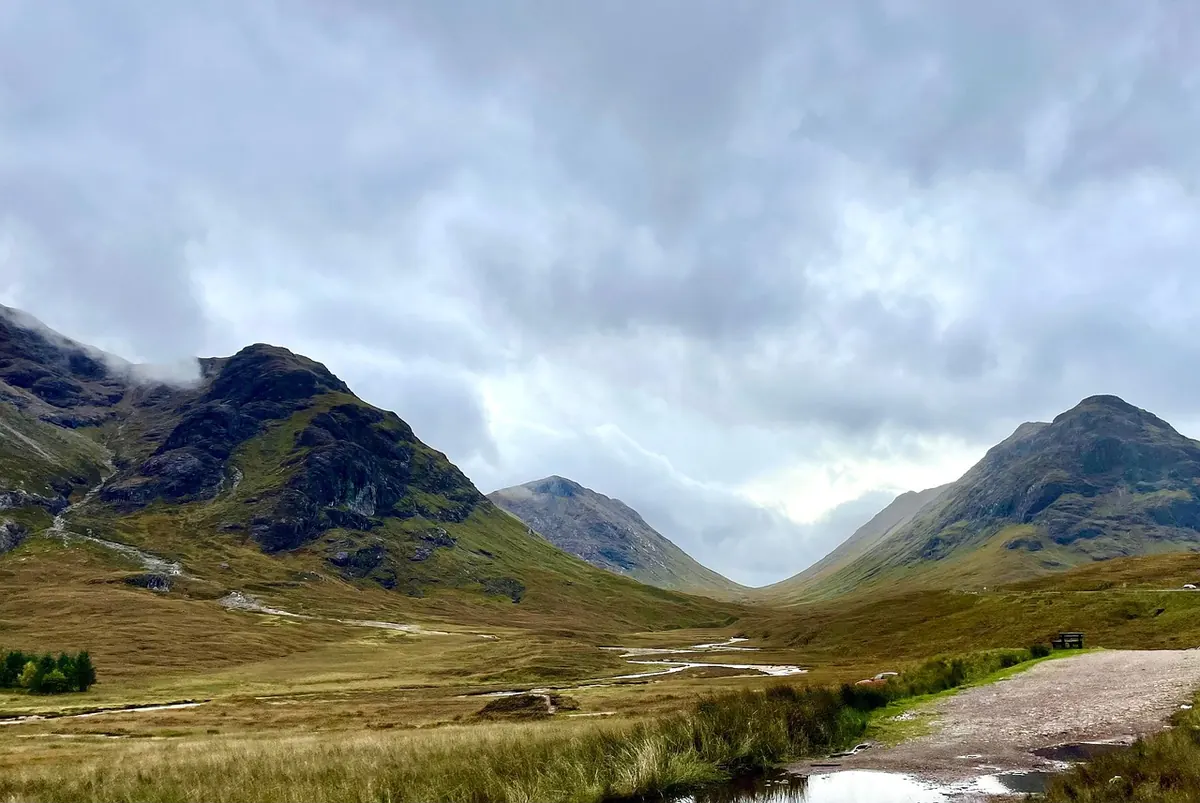
By late March the heather is brittle underfoot, the peat has stopped holding water, and a dry east wind is doing the rest. That is the point on a moorland estate where a dropped match, a hot exhaust or a spark from a contractor's grinder stops being a small incident and becomes a fire with a front you cannot outrun. Detection is the part you can prepare.
What follows is a working checklist, in roughly the order it is worth doing. It covers the kit — thermal cameras, smoke sensors, weather stations — and, more importantly, the things around the kit: where it points, who sees the alert, and what happens in the first fifteen minutes.
Start With a Risk Map, Not a Shopping List
Before buying anything, walk the estate and draw it. Divide the ground into zones by what would burn and how fast. Young heather and cured grass carry fire quickly across the surface. Deep, drained peat burns slowly, underground, and is the fire that survives a rain shower and reappears three days later. Bracken in late summer gives a tall, fast-moving flame front that throws spot fires ahead of itself.
Then add the things that shape a response rather than feed a fire: vehicle tracks, gates, water sources a pump can actually reach — a burn, a trough, a river pool — and the places people care about. Keepers' cottages, bothies, workshops, turbine bases, plantation edges and the public path that everyone forgets until August.
Mark the zones where a fire would be hardest to reach. Those are the ones your detection system must cover first, because a late call from a remote gully is the expensive kind.
Thermal Cameras: Siting Beats Specification
A long-wave thermal camera sees heat rather than smoke, which matters on days when haze, low sun or a thick inversion make a smoke column invisible from the lodge. Pair every thermal with a visible camera on the same mast. The thermal finds the anomaly; the visible image tells a human whether it is a fire or a quad bike parked since lunchtime.
Practical siting rules
- Height beats resolution. Ten metres of mast clears more dead ground than an expensive sensor at head height.
- Aim across valleys and up slopes, not along them, and overlap the fields of view so one camera covers what another misses.
- Shelter the mast from the prevailing wind, and put it on a maintenance route you will genuinely drive in February.
- Fixed cameras cover a known arc reliably. Pan-and-tilt models cover more ground but need an operator or scheduled tours.
Expect false alarms
Sun-warmed rock, exhaust stacks, machinery cooling after use, sheep and low sun glinting off water will all trip thermal detection. That is normal. The fix is verification logic — thermal plus visible plus a short delay before escalation — not a more sensitive camera.
Smoke, Gas and Building Sensors
Field detection does not have to mean cameras. Particulate and smoke sensors fitted in bothies, workshops, stores and turbine bases catch fires that start indoors and travel out, and they are inexpensive enough to use in numbers. In unheated or dusty spaces, look at aspirating detection rather than domestic alarms; ordinary optical smoke heads clog, then fail quietly.
LoRaWAN and similar low-power radio networks suit moorland well: long range, tiny amounts of data, nodes that run for seasons on a battery and a small solar panel. Design for a hard winter anyway. Size battery capacity for short days and cold nights, and check the nodes after the first real frost rather than in June.
Weather Data and Fuel Moisture
Fire danger is mostly a moisture story, and the moisture that matters is in the fuel, not the air. A modest on-site weather station gives you rainfall, relative humidity, temperature and wind speed and direction every ten minutes. A fuel moisture probe in a representative heather or peat plot tells you what that rain has actually done.
Use the readings to change behaviour, not just to log them:
- Raise camera sensitivity and shorten the verification delay after several dry days with humidity down near a third.
- Alert duty staff and contractors when wind is forecast above the speed at which beaters stop being effective.
- Suspend muirburn, grinding, welding and vehicle work in the highest-risk zones on high-danger days.
- Add patrols of car parks and the public path at weekends. The risk is often people, not weather.
Getting the Alert to a Human
A detection system that reports to a dashboard nobody opens is not a detection system. Route alerts to phones by SMS or push notification, with a named duty person for each shift and a defined second contact. Keep one rule simple and absolute: any alert during the fire season gets a physical look within a set time, day or night.
Log every alert, including the false ones. After a season you will know which camera generates noise, which sensor needs cleaning, and which threshold is too tight for a bright morning.
Emergency Drills: Rehearse the Boring Parts
The dramatic parts of firefighting are rarely the problem. A gate nobody can open, a pump with the wrong coupling, a grid reference read out wrong — those cost time you do not get back. Run a full drill before the season and a short one mid-season. Include:
- An accurate location passed to the fire and rescue service, using a grid reference, a what3words address or a marked estate map. Practise saying it out loud.
- Access: which gates are locked, who holds keys, and where an appliance can turn around.
- Water: every source, its distance from the track, and the hose and pump needed to use it.
- People: muster point, headcount, and who accounts for visitors, contractors and livestock.
- Roles: who meets the fire service at the gate, who flies the drone, who moves stock.
- Communication: radio channels, spare batteries, and a fallback for when the mobile signal drops.
Many fire and rescue services will visit an estate before the season to look at access and water supplies, and that visit is time well spent. Ask early; diaries fill.
A Pre-Season Weekend That Pays for Itself
Give the whole job two days in early spring. On day one, walk the zones, check every camera and sensor, clean the lenses, replace batteries, test the radio network and confirm the weather station is reporting. On day two, run the drill, brief everyone who works on the ground, and print a one-page response sheet for the estate office, the keeper's truck and the bothy wall.
Nothing on that list is technically difficult, and much of it is dull. The estates that catch fires small are usually the ones that did the dull checks while the ground was still wet. Do it now, and the dry season becomes a series of small incidents instead of one long one.