How AI Camera Traps Are Changing Moorland Wildlife Surveys
A curlew's call carries a long way across an empty moor, but the bird itself is easy to miss. That mismatch — loud, cryptic, spread over kilometres of tussock and heather — is why upland wildlife surveying has always been expensive and thin on the ground. Camera traps solved the first problem by sitting out in the weather for weeks at a time. The second problem was the pictures: thousands of frames, each one needing a human eye. Automated recognition now does much of that sorting, and it is quietly changing how upland bird and mammal records get made.
Why moorland is such awkward ground to survey
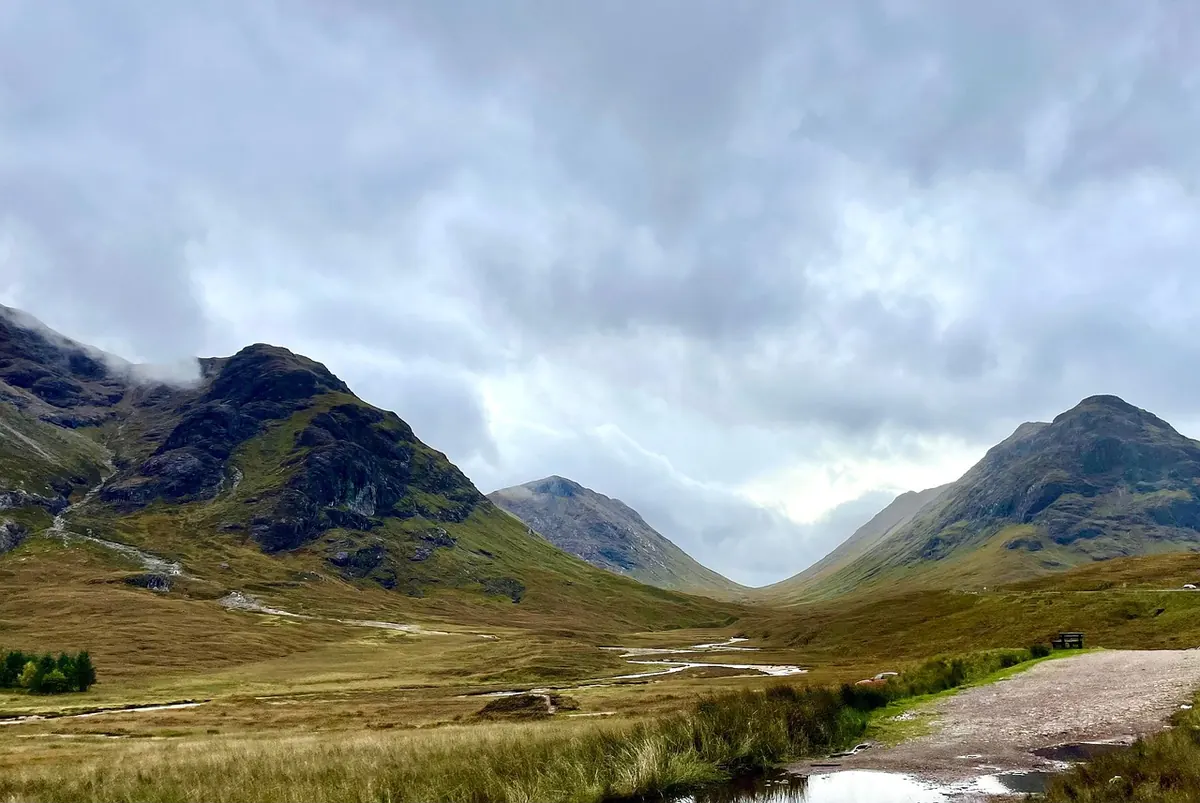
Lowland surveys can lean on roads, footpaths and a dense pool of trained volunteers. Moorland offers none of that. A transect might start at 5am, three kilometres from the nearest track, and the useful window for breeding bird counts is short — often a handful of weeks in spring. Add wind, rain, midges and ground that eats an hour for every two kilometres, and the arithmetic gets brutal fast.
Detection is uneven too. Red grouse sit tight in heather and reveal themselves at the last moment. Golden plover display high and obvious, then vanish. Mountain hares change colour with the season and disappear against a late snowfall. Human surveyors are still the best general-purpose instrument we have, but they are scarce, and a single visit gives you a snapshot rather than a trend.
What an automated camera trap actually does
A modern unit is a weatherproof box with a motion or heat trigger, a lens — sometimes thermal — and enough processing power to run a species classifier on the images it captures. Instead of handing you a memory card of 40,000 frames, it hands you a spreadsheet: species, timestamp, confidence score, and the frames worth checking.
On the device, or in the cloud
The trade-off is straightforward. Running the model on the camera itself saves battery and bandwidth, which matters on a moor with no signal, but it limits you to a compact model. Uploading to a server allows larger, better-trained models and easier retraining, but needs connectivity, power and somewhere to store the images. Many projects use a hybrid: coarse filtering in the field, finer classification once the data is back at a desk. Either way, plan storage before you deploy. A single camera can generate more data in a season than a small laptop wants to hold.
Species it separates well — and the ones it struggles with
Large, distinctive mammals are the easy wins. Red deer, mountain hares, foxes and people are recognised reliably when they pass at a sensible distance in reasonable light. A grazing deer at eight metres is not a hard problem.
The difficult cases are worth knowing before you trust a species list:
- Lookalike waders. Curlew and whimbrel, or golden plover and grey plover, can be separated by a human with a good view and hard to separate from a compressed image at forty metres.
- Raptors at range. Hen harriers, buzzards and short-eared owls in flight produce small, backlit shapes that classifiers often lump together.
- Cryptic grouse. A red grouse half-hidden in heather may register as "vegetation" or nothing at all.
- Movement that isn't wildlife. Wind-blown grass, drifting cloud, rain on the lens and sheep all generate triggers.
- Bad conditions. Snow, fog, drizzle and dusk degrade image quality and accuracy together.
- Upland mismatch. A model trained mostly on lowland and woodland footage is working outside its experience on open moor.
Reading accuracy claims honestly
"Ninety-five per cent accurate" tells you almost nothing on its own. Ask what it is accurate for. A model can be excellent at the common species and poor at the rare one you actually care about. Two numbers matter: how often a detection is correct, and how often a real animal is missed. Tightening the confidence threshold reduces false positives but increases misses, and the right balance depends on whether you are monitoring a widespread species or chasing evidence of a scarce one.
Nothing replaces validation. Label a few hundred frames per site by eye, compare them with the model's output, and record the disagreement. Report your counts as an index of activity rather than a true population — a camera sees what walks past a particular lens, not how many animals live on the hill. And keep the raw images. When the software improves, your old data becomes more useful, not less.
Records, permissions and sensitive locations
Upland wildlife data is not neutral. Precise locations of raptor nests, lek sites and other vulnerable features can be misused, and several upland species carry legal protection that restricts disturbance and the sharing of records. The working rule is simple: collect precise coordinates for your own records, publish and share at a coarser resolution, and strip location metadata from any image you circulate.
Access needs sorting first. Agree in writing who owns the images, how long they are kept, and who else may see them. If your cameras might capture people — walkers, keepers, vehicles — you are handling personal data, so blur faces, keep retention short and avoid publishing recognisable images. Different countries and recording schemes have different expectations, so check with your national biological recording body or statutory conservation agency, and take proper legal advice if a project involves protected species or personal data.
A practical way to run your first season
- Choose one question. Presence, seasonal activity or disturbance events all need different camera placement.
- Pair cameras with a human transect for the first season, even on a small scale. It is the only honest way to learn your system's blind spots.
- Site for the species. Height, angle and distance from the likely path matter more than camera specification.
- Cut the volume. Use triggers plus scheduled time-lapse rather than continuous recording.
- Build a review habit. Check everything below your confidence threshold by eye, weekly if you can, before the backlog wins.
- Document settings — model version, threshold, placement — so next year's numbers are comparable.
- Re-validate annually, especially after a software update.
Six well-placed cameras with a review routine you actually keep up will outproduce sixty that nobody has time to check. Start small, stay honest about error, and treat the automation as a filter rather than an answer.
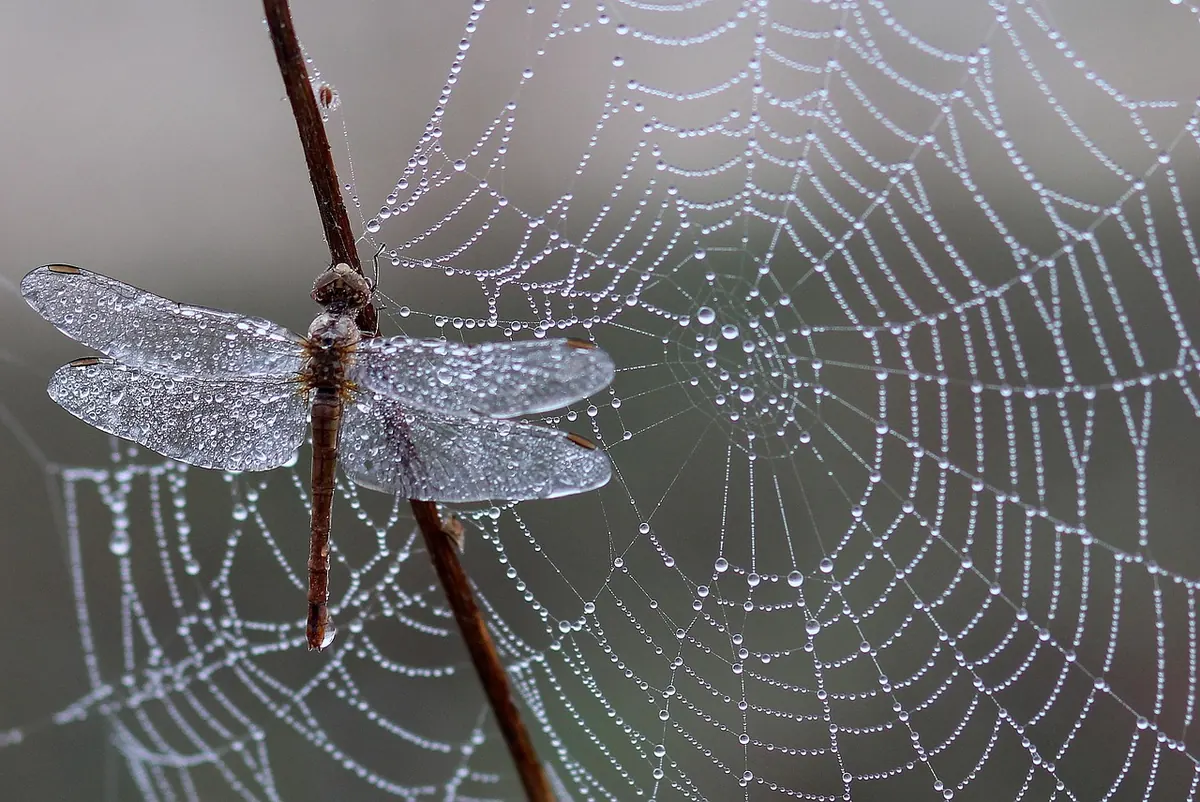
Photo: AdinaVoicu / Pixabay