LoRa vs. Cellular IoT for Moorland Conservation Projects: Which Connectivity Fits?
LoRa vs. Cellular IoT for Moorland Conservation Projects: Which Connectivity Fits?
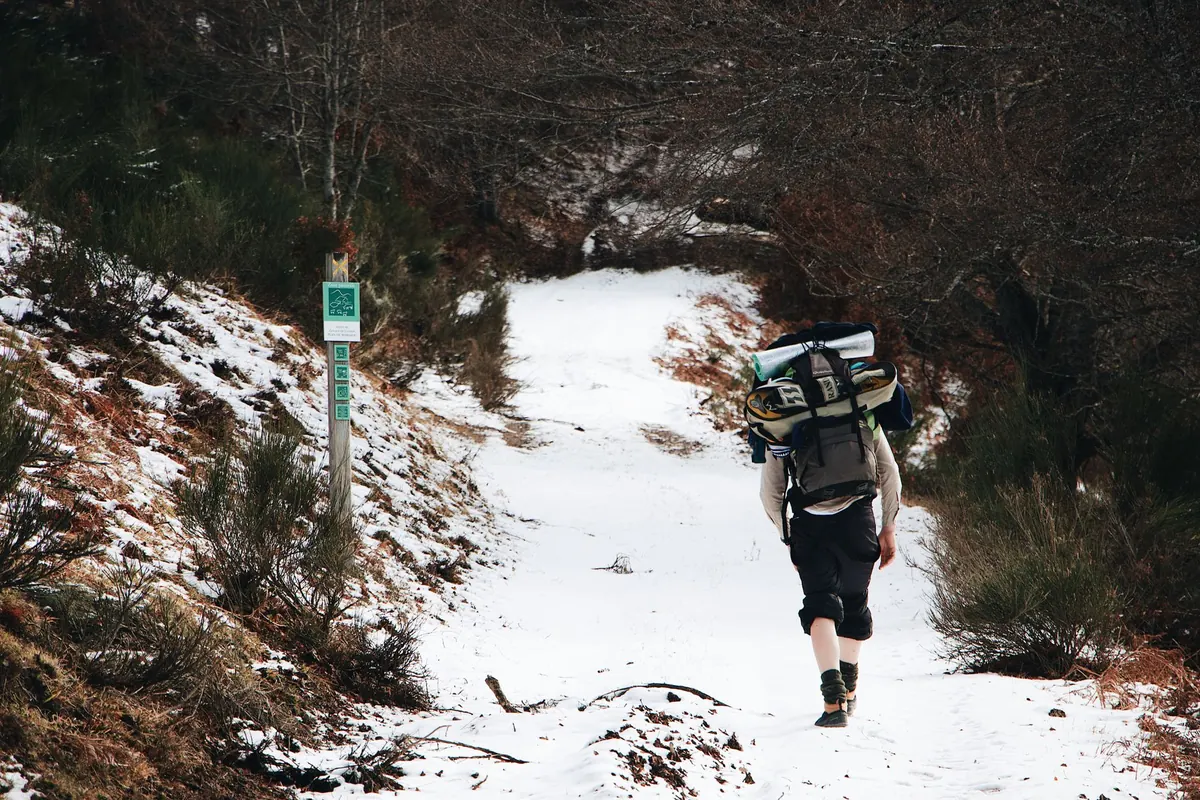
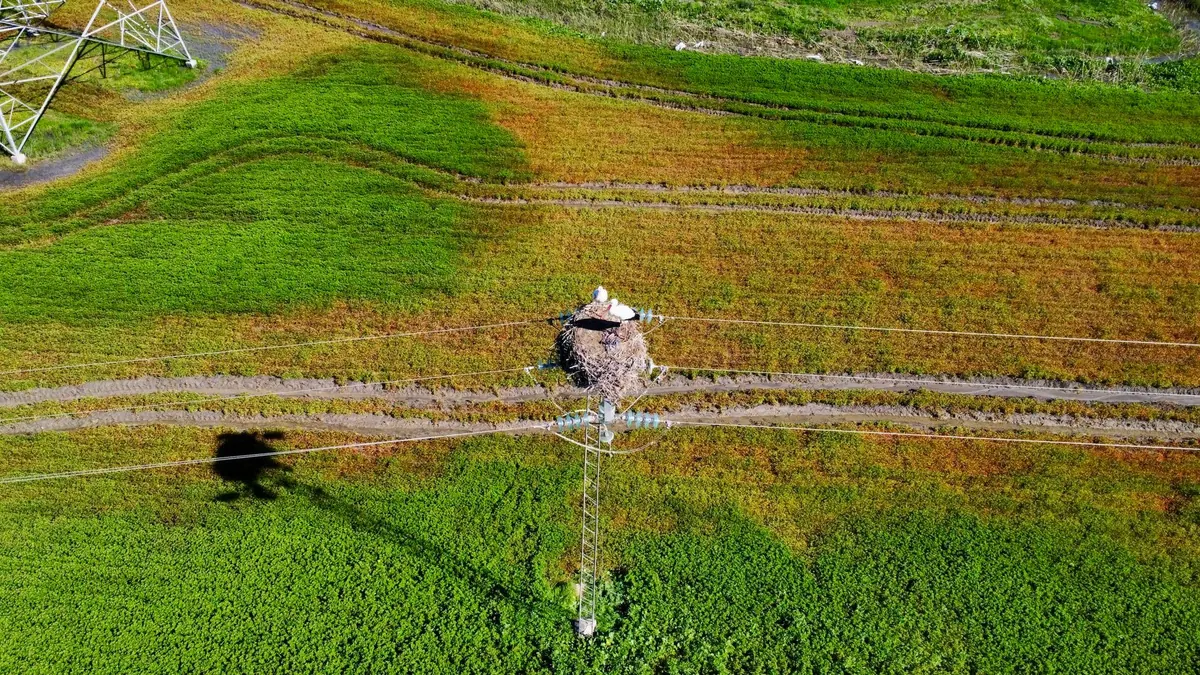
A water-table logger sunk into a peat hag, a nest camera on a curlew scrape, a GPS tag on a merlin: all three need to move data out of places where the nearest track is a forty-minute walk and the signal dies behind the first ridge. Choosing between LoRa and cellular IoT is rarely about which technology is cleverer. It is about how far the data has to travel, how much of it there is, and how often you are willing to walk out and change a battery.
Two Very Different Ways to Get Data Off the Hill
LoRa is a radio modulation; LoRaWAN is the network layer most projects build on top of it. Nodes transmit in licence-exempt sub-GHz bands — 868 MHz in Europe, 915 MHz in North America, other bands regionally — at very low data rates. You install a gateway on high ground with power and backhaul, whether that is 4G, a landline or satellite, and it forwards readings to a network server and your dashboard. LoRaWAN adds encryption, device classes and adaptive data rate. A Class A sensor spends almost all its life asleep, wakes on a timer, sends a tiny payload, then listens briefly for a downlink. That is why a soil-moisture probe or a water-level logger can run for years on a single battery. The trade-off is duty cycle and payload size: in Europe, 868 MHz has a 1% duty-cycle limit, so you are not streaming video or uploading hourly photographs. You are sending a few dozen bytes every fifteen minutes — enough for temperature, humidity, water table, gate counts or nest-box occupancy, not enough for a live curlew cam.
Cellular IoT strikes a different bargain. NB-IoT and LTE-M devices talk to a commercial mast, so there is no gateway to buy, mount or power. In exchange you take on a SIM, a data plan and dependence on coverage you do not control. NB-IoT is designed for deep coverage and low power, which suits basement meters and buried sensors; LTE-M offers more bandwidth and better mobility, which suits trackers and devices that need firmware updates. Plenty of 2G kit is still in service on moors, but network shutdowns make that a poor long-term bet — treat it as hardware with a retirement date. The practical difference is simple: LoRa makes you responsible for the base station; cellular makes you a tenant on someone else’s.
Range and Terrain: Line of Sight Beats Marketing
Open moorland is generous to LoRa. A gateway on a mast or a trig point with a clear path can reach nodes several kilometres away, sometimes much further. Put the same gateway at head height in a valley and expect a fraction of that. Peat hags, gully edges, regenerating birch and conifer blocks all eat signal, and a probe tucked into a damp hollow is a bad place to be a radio. Sub-GHz bands bend around terrain better than 2.4 GHz Wi-Fi, but they do not bend around hills indefinitely. Radio line of sight is not the same as visual line of sight: you need clearance for the Fresnel zone, the rugby-ball-shaped volume around the path. A gateway on a trig point may hear a node in a gully five kilometres away; the same gateway at a visitor centre may struggle at eight hundred metres.
“A gateway on a trig point is worth ten gateways at head height,” as one field engineer put it. Antenna height is the cheapest range upgrade you will ever buy.
That matters for conservation because moorland sites are rarely flat. A curlew scrape might sit in a shallow basin. A peat restoration plot might be behind a regenerating birch belt. A merlin tag might spend the day in a valley and the evening on a ridge. Cellular coverage follows its own logic: masts are placed for roads, villages and farms, not for the middle of a blanket bog. You can check a coverage map, but you must test the exact spot, at the exact height, with the exact antenna. A phone showing one bar is not proof that an NB-IoT modem will register. Wet foliage, snow, and even a sheep standing in the wrong place can change link budgets. The only reliable answer is a site survey with the hardware you plan to deploy.
Data Volume, Latency and Power: What Your Sensors Actually Need
Start with the data. A water-table logger might send twelve readings a day. A temperature and humidity node might send one reading an hour. A nest camera needs megabytes per image or video, so cellular is almost always the only realistic option unless you can run a cable or visit weekly to swap SD cards. A GPS tag on a merlin is a different problem again: if the bird stays within LoRa range of a gateway, you can collect frequent fixes cheaply; if it wanders across a moor, a county or a sea, you need cellular, satellite or a store-and-forward design. LoRa is excellent for many small, predictable messages. Cellular is better for fewer, richer, less predictable ones.
Power follows data. LoRa nodes can run for years on AA lithium batteries or a small solar panel because the radio is asleep most of the time. Cellular modems draw bursts of current, and a weak signal makes them draw more as they hunt for the network. A cellular camera in a shaded gully may need a large solar panel and a beefy battery to survive a Scottish winter. Before you choose, build an energy budget: sleep current, transmit current, duty cycle, modem registration, retries, and the worst month of the year. Then add a safety margin. If the device is somewhere you cannot reach in bad weather, double it.
Coverage, Cost and Ownership: Who Pays, Who Maintains?
LoRa has a higher upfront cost and a lower marginal cost. A gateway might cost a few hundred to a few thousand pounds, plus a mast, power and backhaul. But once it is up, adding another sensor is cheap. Cellular flips that: no gateway, but every device needs a SIM and a data plan, and every device is another subscription to manage. For three remote cameras, cellular may be trivially cheap. For thirty peatland loggers around one hill, thirty SIMs and thirty monthly bills become a real operational burden.
Ownership matters as much as cost. If you run your own LoRaWAN gateway, you control the network server, the data path and the update schedule. You can also fix it when it fails. If you rely on cellular, you are dependent on a mast, a roaming agreement and a network operator’s decision to keep a technology alive. That is not an argument against cellular; it is an argument for knowing your exit route. Ask who will maintain the gateway, who pays for the SIMs, who climbs the mast when water gets into a connector, and who gets the data at 3 a.m. when a curlew nest is predated.
A Practical Decision Framework
If you are standing on a moor with a sensor in one hand and a map in the other, work through these questions:
- Is there reliable cellular coverage at the exact deployment point? Not on the road, not on the hilltop, but where the sensor will actually sit.
- How much data are you sending? Kilobytes a day point to LoRa; megabytes or images point to cellular.
- How many devices will you deploy? One or two favour cellular; dozens favour LoRa.
- Can you power and backhaul a gateway on high ground? If yes, LoRa becomes much more attractive.
- Do the devices move? Static loggers suit LoRa; mobile tags and cameras often suit cellular.
- How long is the project? A six-month trial can use whatever works now; a ten-year monitoring programme should avoid technologies with a shutdown date.
- Who will maintain it? The best network is the one your team can actually keep running.
Hybrid Approaches
Photo: Pexels / Pixabay